Browse by state
City pages list every school with a map. State pages collect the towns with a single school.
- California4,513
- Texas2,930
- Florida2,459
- New York2,079
- New Jersey1,267
- Pennsylvania1,263
- Illinois1,220
- North Carolina1,007
- Ohio911
- Virginia910
- Georgia902
- Massachusetts893
- Michigan776
- Washington770
- Colorado724
- Arizona704
- Maryland613
- Tennessee590
- Missouri548
- Wisconsin526
- Indiana510
- Connecticut501
- Minnesota447
- South Carolina437
- Oregon430
- Louisiana372
- Oklahoma370
- Utah332
- Alabama328
- Nevada328
- Kentucky312
- Kansas252
- Arkansas242
- Iowa241
- New Hampshire226
- New Mexico215
- Hawaii202
- Mississippi193
- Idaho191
- Rhode Island158
- Nebraska156
- Maine138
- West Virginia130
- Montana110
- Delaware90
- Alaska83
- Vermont79
- North Dakota54
- Wyoming53
- South Dakota52
- Washington DC33
Find schools by what you need
Each feature is confirmed on the business's own site or by phone — not guessed from a map category.
 Most listings
Traditional Martial Arts Schools
14,923 schools across the US, each one checked individually.
- Kids Martial Arts Classeskids classes12,246
- Brazilian Jiu-Jitsu Schoolsa dedicated Brazilian Jiu-Jitsu program9,095
- MMA GymsMMA training5,070
- Brazilian Jiu-Jitsu and Gi Training Programsjiu-jitsu & gi training4,507
- Brazilian Jiu-Jitsu and BJJ Training Classesjiu-jitsu training4,325
- Brazilian Jiu-Jitsu (BJJ) Training Academies4,311
- Brazilian Jiu-Jitsu (BJJ) Classes4,290
- Brazilian Jiu-Jitsu (BJJ) Martial Arts Schools4,281
- Dedicated Brazilian Jiu-Jitsu Academies2,823
- Self-Defense Classes and Safety Workshops2,005
- Mixed Martial Arts Gyms and Training1,559
- Karate Classes for Children and Adults1,543
- Kickboxing Classes for Beginners and Adults1,084
- Tai Chi and Qigong Classes for Seniors and Adults807
- Martial Arts Schools with Fat Loss Programs651
- Family Martial Arts Classes and Academies633
- Filipino & Historical European Martial Arts Schools590
- Jiu-Jitsu Fundamentals and Beginner Classes534
- Dedicated Brazilian Jiu-Jitsu Academies and Programs324
- Historical European & Filipino Martial Arts Classes321
What this is
MartialArtsAtlas is a free directory of martial arts schools in the United States, organised by state and city. Every listing has an address; most have a phone number, and where a business publishes its hours or services we show those too. Listings come from open data and from the businesses themselves, who can correct their card at any time — about the directory. Nothing on the lists is paid placement.
Pick a state above, or use the “near me” button to jump to the martial arts schools closest to you. City pages show the full list with a map; state pages collect smaller towns that have a single school.
Guides
All guides-
 Owning
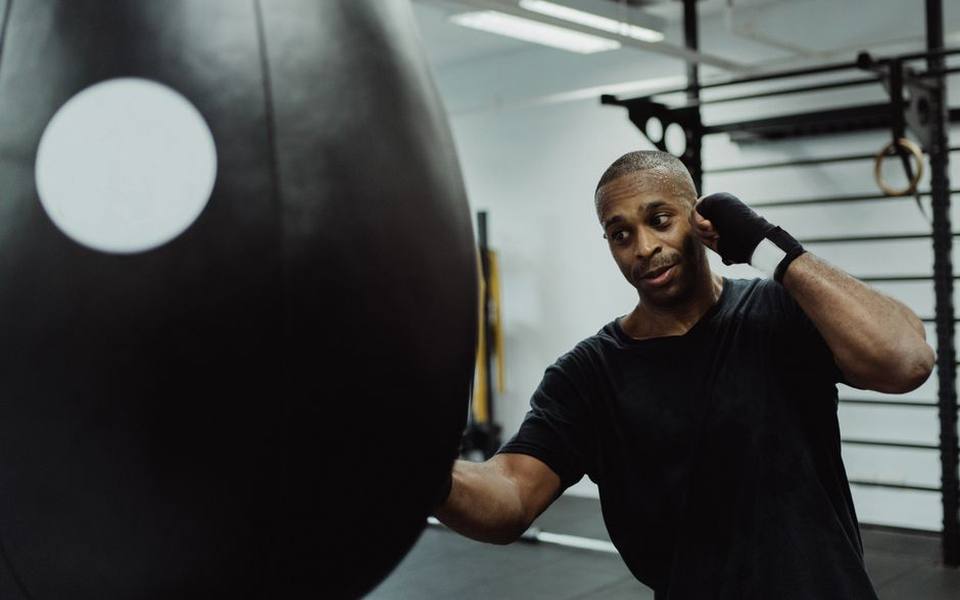
Establishing a Proper Heavy Bag Routine and Striking Technique at Home
Learn how to build an effective home heavy bag workout, master foundational hand wraps and kicking mechanics, maintain your equipment, and support full-body conditioning safely.
2026-09-20 -
 Safety
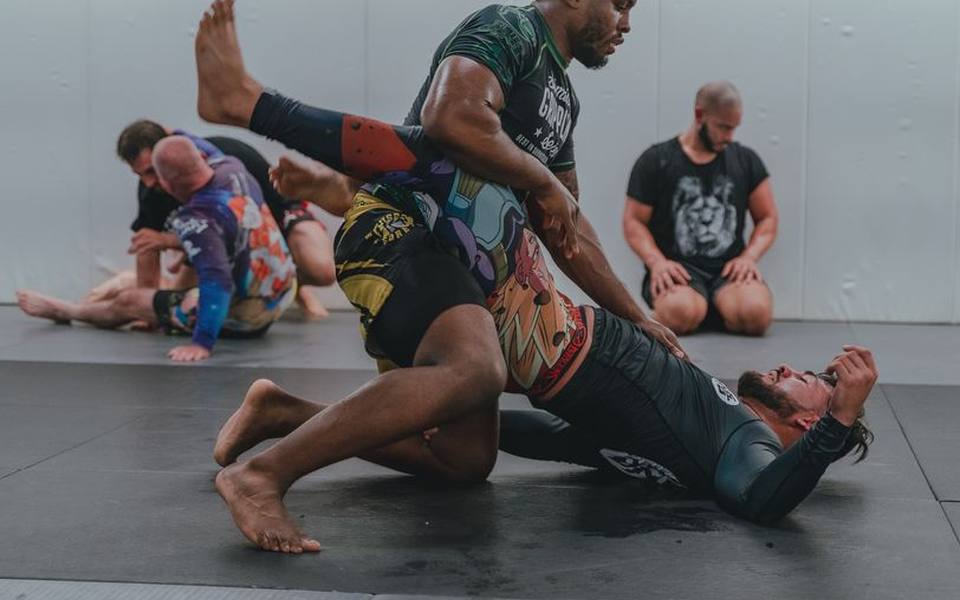
Brazilian Jiu-Jitsu for Beginners: Tips, Fundamentals, and Mat Health
A practical guide covering essential ground mechanics, home training routines, auricular hematoma care, and sports nutrition strategies for new grapplers.
2026-09-20 -
 Buying
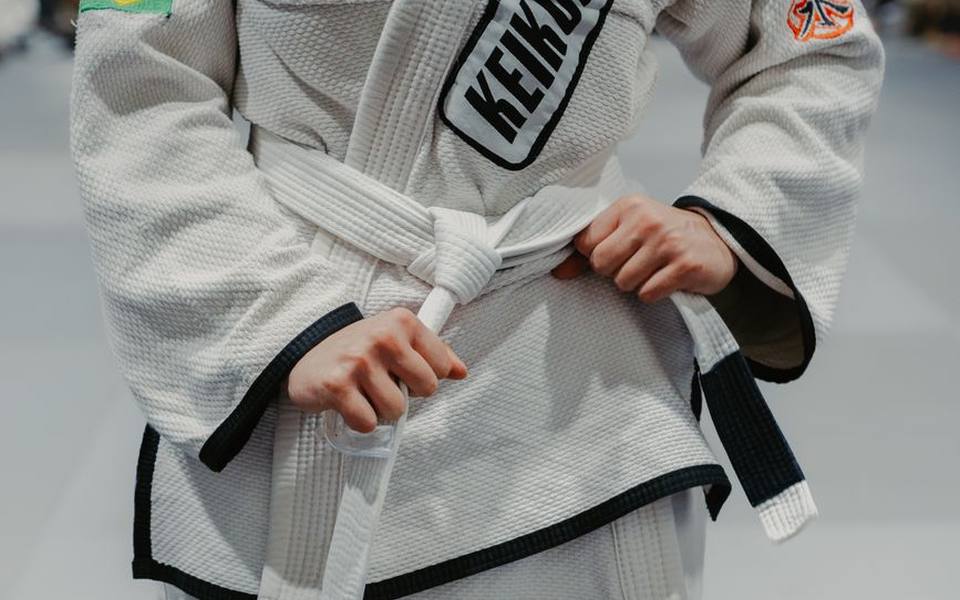
Finding the Right Fit: A Guide to Sizing Your Jiu-Jitsu Uniform and Cross-Training Gear
Learn how to accurately size your Brazilian Jiu-Jitsu gi, properly wrap your hands for striking sessions, and align your training regimen to build lean muscle while dropping body fat safely.
2026-09-20 -
 Money
MoneyHow Much Do Martial Arts Classes Cost? Membership Fees Breakdown
Get a transparent breakdown of martial arts membership dues, gear expenses, and contract terms across different disciplines before you sign an agreement.
2026-09-20 -
 Owning
What Is Mixed Martial Arts? Beginner Overview and Training Guide
Discover what mixed martial arts entails, how beginners can start training both in dedicated gyms and at home, and how combat conditioning helps cut overall body fat.
2026-09-20
From the trade press
All news- Martial arts instructor speaks out after SF beach fightYahoo · 2026-09-11
- 2008 Film Named the Greatest Martial Arts Movie of All Time — And It’s Free to WatchMen's Journal · 2026-09-07
- Sarasota martial arts instructor honored by international associationYour Observer · 2026-08-27
- Where Winds Meet Devs Discuss Drunken Master And Next Martial Arts With Yuen Woo Pinginsider-gaming.com · 2026-08-26
- Council approves £7.3m grammar school expansionBBC · 2026-08-17
Popular cities
- New York, NY379
- Los Angeles, CA250
- Houston, TX239
- Chicago, IL224
- San Diego, CA189
- Miami, FL188
- San Antonio, TX171
- Las Vegas, NV169
- Austin, TX159
- Brooklyn, NY134
- Phoenix, AZ128
- Orlando, FL116
- San Francisco, CA115
- San Jose, CA108
- Seattle, WA104
- Colorado Springs, CO103
- Philadelphia, PA102
- Jacksonville, FL95
- Portland, OR95
- Dallas, TX95
- Tucson, AZ94
- Albuquerque, NM94
- Tampa, FL93
- Indianapolis, IN79
Common questions
How much do martial arts classes cost?
Most schools run $100–200 per month for unlimited classes, with big-city academies and premium facilities reaching $250 or more. Kids programs often cost slightly less, and family rates are common. Watch for extras that are not in the advertised rate: uniforms ($50–150), belt testing fees ($40–100 per rank), and competition team dues. Ask whether the agreement is month-to-month or a 12-month contract before you sign.
What martial art is best for kids?
Karate and taekwondo are the most common starting points: belt curriculums give visible progress, classes are structured, and striking is controlled. Brazilian jiu-jitsu is the other strong choice — it is grappling only, so there is no head contact, and it teaches kids to handle being physically controlled, which is what most schoolyard trouble actually looks like. The instructor matters more than the style: watch a kids class before enrolling.
Do martial arts schools offer free trial classes?
Most do — a free first class or a trial week is the standard way schools introduce themselves, and reputable ones will not pressure you to sign the same day. Go in the time slot you would actually train, not a demo hour, and watch how the instructor handles beginners. Our listings mark schools that advertise a free trial.
What is the difference between BJJ, karate and muay thai?
Brazilian jiu-jitsu is ground grappling — control, positions and submissions, no striking. Karate is a traditional striking art with forms, belt ranks and a strong emphasis on discipline and technique. Muay thai is stand-up fighting with punches, kicks, knees and elbows, trained hard on pads and in sparring. They train different bodies and different mindsets: BJJ is chess on the floor, muay thai is conditioning and impact, karate is structure and repetition.